
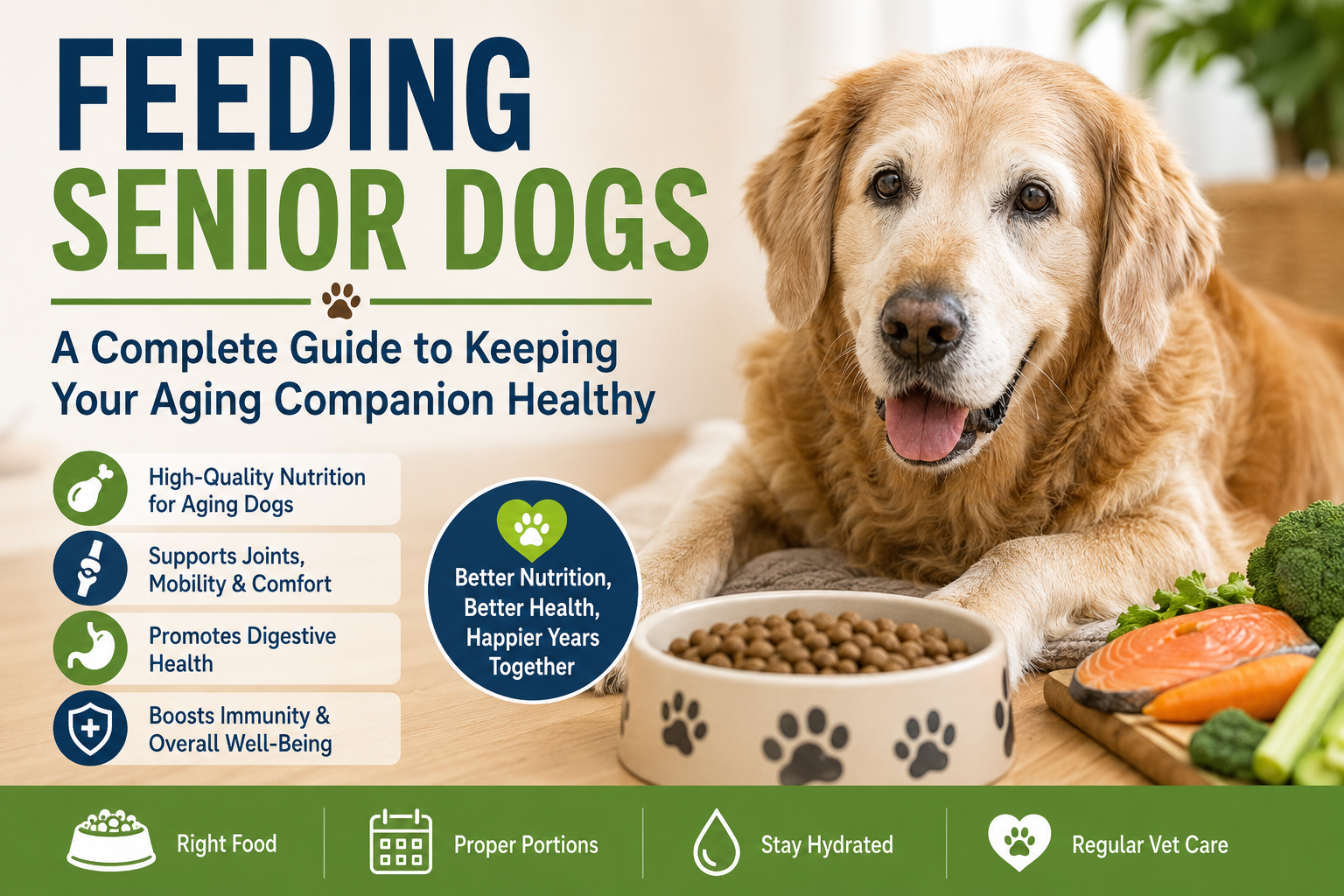
As dogs grow older, their nutritional needs change significantly. Feeding senior dogs the right diet is one of the most important factors in maintaining their health, mobility, energy levels, and overall quality of life. Whether your furry friend is entering their golden years or has already become a senior companion, understanding proper senior dog nutrition can help them live a happier and healthier life.
What Age Is Considered a Senior Dog?
The age at which a dog becomes a senior depends on its breed and size. Generally:
- Small dogs: 10-12 years
- Medium dogs: 8-10 years
- Large dogs: 7-8 years
- Giant breeds: 5-7 years
As dogs age, their metabolism slows down, and they may become less active. This means their dietary requirements differ from those of younger adult dogs.
Why Proper Nutrition Matters for Senior Dogs
Senior dogs often experience age-related health challenges such as:
- Joint pain and arthritis
- Weight gain or weight loss
- Reduced muscle mass
- Digestive issues
- Dental problems
- Heart disease
- Kidney concerns
A balanced diet designed for older dogs can help manage these conditions and improve overall well-being.
Key Nutritional Needs of Senior Dogs
1. High-Quality Protein
Contrary to popular belief, senior dogs still need adequate protein. Protein helps maintain muscle mass and supports immune function.
Look for dog foods containing quality protein sources such as:
- Chicken
- Turkey
- Salmon
- Lamb
- Beef
Protein should be one of the primary ingredients listed on the dog food label.
2. Healthy Fats
Healthy fats provide energy and support brain function. Omega-3 fatty acids, especially those from fish oil, can help reduce inflammation and support joint health.
Benefits of Omega-3 fatty acids include:
- Improved mobility
- Better skin and coat condition
- Enhanced cognitive function
- Reduced inflammation
Recommended Product:
Zesty Paws Wild Alaskan Salmon Oil Formula for Dogs
This popular fish oil supplement provides Omega-3 fatty acids that may help support joint health, skin condition, and cognitive function in senior dogs.
3. Joint-Supporting Nutrients
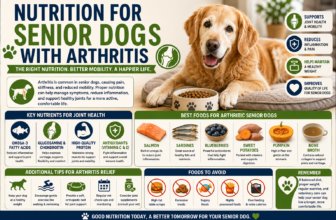
Many senior dogs suffer from arthritis and joint discomfort. Foods containing glucosamine and chondroitin can help maintain healthy joints and cartilage.
Natural sources include:
- Fish
- Bone broth
- Joint-support supplements
Recommended Product:
Cosequin Maximum Strength Joint Health Supplement for Senior Dogs
Cosequin is one of the most veterinarian-recommended joint supplements and contains glucosamine and chondroitin to help support mobility and cartilage health.
4. Fiber for Digestive Health
Older dogs often experience slower digestion. Fiber helps maintain regular bowel movements and supports gut health.
Good fiber sources include:
- Sweet potatoes
- Pumpkin
- Brown rice
- Oats
5. Vitamins and Antioxidants
Antioxidants help fight cellular damage caused by aging. Vitamins C and E are particularly beneficial for senior dogs.
Benefits include:
- Stronger immune system
- Reduced oxidative stress
- Better cognitive health
How Much Should You Feed a Senior Dog?
The amount of food your senior dog needs depends on:
- Age
- Weight
- Activity level
- Health conditions
- Breed size
Since many older dogs are less active, they often require fewer calories than younger dogs. Overfeeding can lead to obesity, which places additional strain on joints and organs.
Always follow feeding guidelines provided by your veterinarian and the dog food manufacturer.
Best Foods for Senior Dogs
Commercial Senior Dog Foods
Senior-specific dog foods are formulated to meet the unique nutritional needs of aging dogs. Look for formulas that offer:
- Moderate calorie content
- High-quality protein
- Added glucosamine and chondroitin
- Omega-3 fatty acids
- Easily digestible ingredients
Homemade Senior Dog Meals
Some pet owners prefer preparing meals at home. Safe ingredients may include:
- Lean chicken
- Turkey
- Fish
- Brown rice
- Sweet potatoes
- Carrots
- Green beans
Consult your veterinarian before switching to a homemade diet to ensure nutritional balance.
Foods Senior Dogs Should Avoid
Certain foods can be harmful or toxic to dogs:
- Chocolate
- Grapes and raisins
- Onions and garlic
- Xylitol-sweetened products
- Alcohol
- Excessive fatty foods
- Macadamia nuts
Avoid feeding table scraps regularly, as they can contribute to obesity and digestive issues.
Special Feeding Tips for Senior Dogs
Feed Smaller Meals
Older dogs may digest food more comfortably when fed two to three smaller meals daily rather than one large meal.
Maintain Hydration
Senior dogs can be more susceptible to dehydration. Always provide access to clean, fresh water.
Monitor Weight Regularly
Weight changes can signal health issues. Regular weigh-ins help ensure your dog remains at a healthy weight.
Consider Dental Health
Dental disease is common in senior dogs. Soft foods or food soaked in warm water may help dogs with missing teeth or oral discomfort.
Signs Your Senior Dog May Need a Diet Change
Watch for these signs:
- Sudden weight gain or loss
- Reduced appetite
- Digestive upset
- Decreased energy
- Changes in coat quality
- Difficulty chewing
If you notice any of these symptoms, consult your veterinarian for dietary recommendations.
Frequently Asked Questions About Feeding Senior Dogs
Can senior dogs eat puppy food?
Generally, no. Puppy food is higher in calories and nutrients designed for growth, which may lead to weight gain in older dogs.
Is wet food better for senior dogs?
Wet food can be beneficial for dogs with dental issues or reduced appetite, but both wet and dry foods can be healthy choices when nutritionally balanced.
Should senior dogs take supplements?
Some senior dogs may benefit from supplements such as glucosamine, fish oil, or probiotics. Always consult your veterinarian before introducing supplements.
Conclusion
Feeding senior dogs properly is essential for maintaining their health, comfort, and happiness during their golden years. A nutritious diet rich in quality protein, healthy fats, fiber, and joint-supporting nutrients can help your aging companion stay active and enjoy a better quality of life. By understanding your senior dog’s changing nutritional needs and working closely with your veterinarian, you can help ensure they remain healthy and thriving for years to come.
Affiliate Disclosure: As an Amazon Associate, I earn from qualifying purchases made through affiliate links at no additional cost to you.